With hosepipe bans becoming an increasingly common feature of British summers, gardeners are often left wondering how to keep their plants healthy while using less water. Fortunately, with a little planning and good horticultural practice, it’s possible to create a resilient garden that continues to flourish even during prolonged dry spells.
Choose the Right Plants from the Start
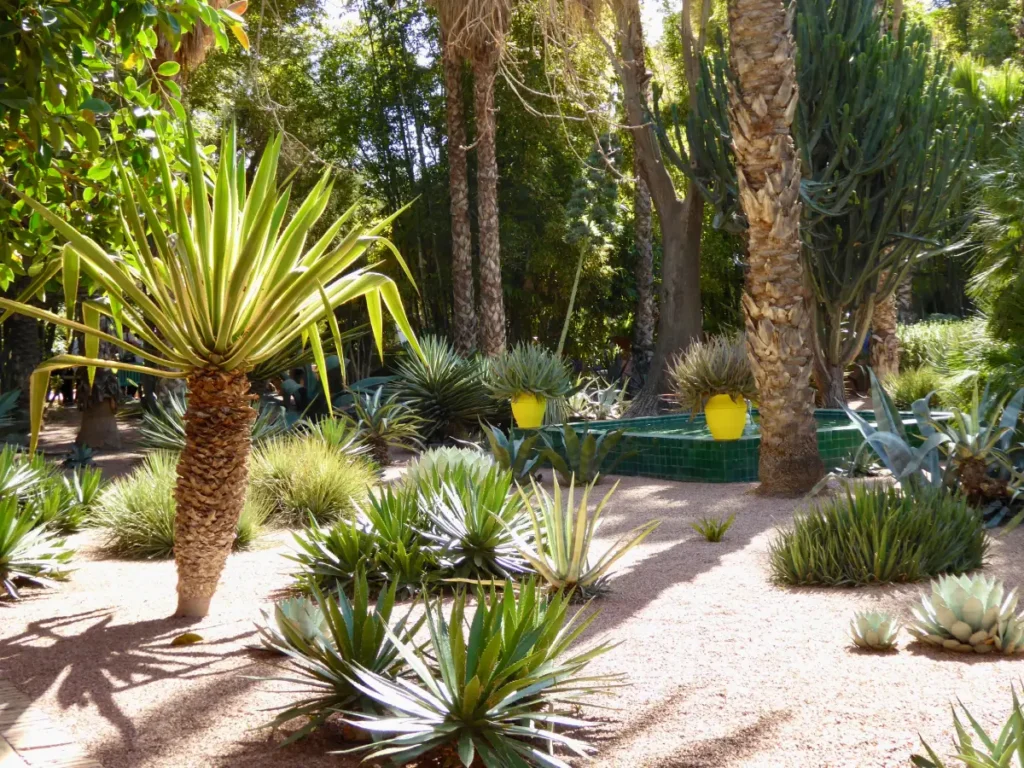
The best way to reduce watering is to select plants that naturally cope well with dry conditions. Matching plants to your soil type and the amount of sun or shade your garden receives will dramatically improve their chances of success.
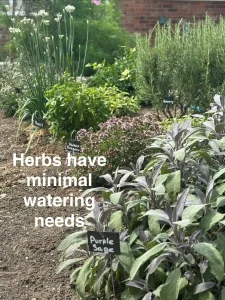
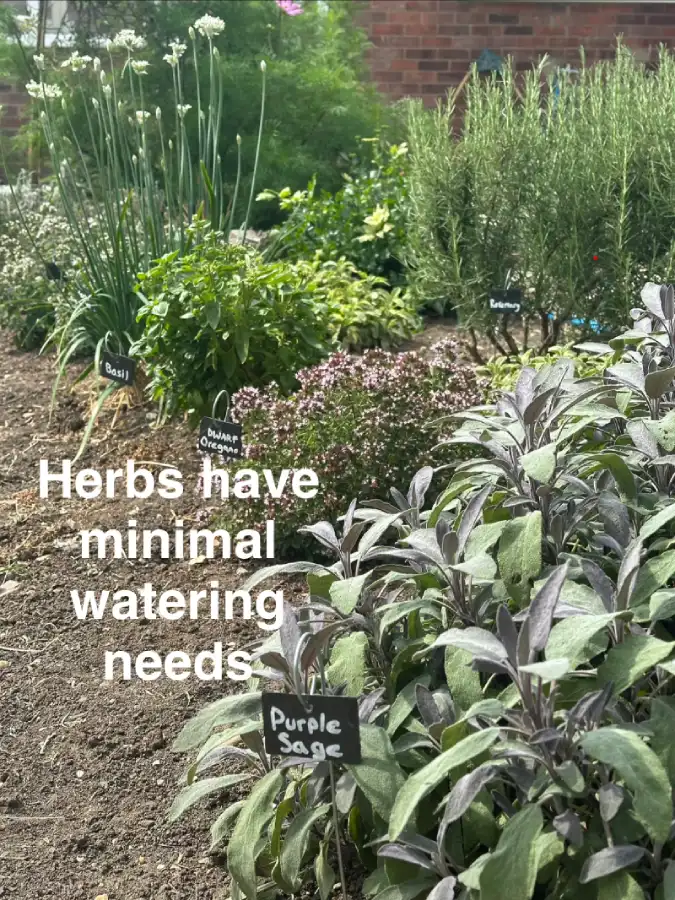
Many Mediterranean herbs are excellent choices for drought-prone gardens, including:
● Garlic Chives
● Sage
● Rosemary
● Lavender
These plants are not only highly drought tolerant once established but are also fully hardy throughout most of the UK, providing colour, fragrance and valuable nectar for pollinating insects.
Autumn Planting Gives Plants a Head Start
Timing is just as important as plant selection. Planting trees, shrubs and perennials during autumn allows roots to establish over the cooler, wetter months before summer arrives.
When planting:
● Incorporate generous amounts of organic matter or soil improver into the planting hole.
● This improves both water retention and water penetration.
● Apply a thick mulch around the base of the plant to reduce evaporation.
● Leave a shallow watering basin or depression around the plant so that water reaches the roots instead of running away.
These simple steps can significantly reduce watering requirements during the following summer.
Harvest Rainwater Wherever Possible
Rainwater is one of the most valuable resources available to gardeners and remains one of the best ways to water during periods of restriction.
Installing water butts on your property’s downpipes allows you to collect thousands of litres of water each year. Simple rainwater diverters are inexpensive and easy to fit.
Grey water can also be used sensibly. Water collected from baths, showers and sinks can often be safely reused in the garden, either by collecting it in a bowl or by installing a suitable diversion system.
However, take care to avoid water containing bleach, disinfectants or harsh cleaning chemicals, as these can damage plants and soil life.
Healthy Plants Need Less Water
Good garden maintenance makes plants far more resilient during dry weather.
Before drought arrives:
● Water regularly to encourage deep root growth.
● Feed plants during the growing season to maintain strong, healthy growth.
● Keep beds weed free, as weeds compete for precious moisture.
Once drought conditions develop, avoid feeding plants as this encourages soft new growth that requires additional water.
Pruning can also help. Reducing excessive leafy growth lowers water loss through evaporation while maintaining a healthy balance between the root system and the foliage.
What Watering Is Allowed During a Hosepipe Ban?
Many gardeners are surprised to learn that some watering systems may still be permitted during a hosepipe ban.
In many areas you can continue to use:
● Water stored in water butts.
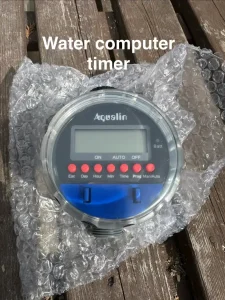
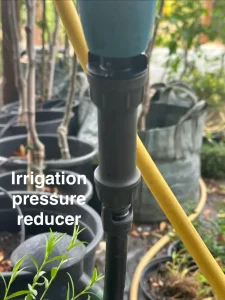
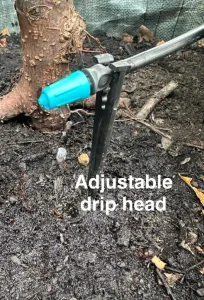
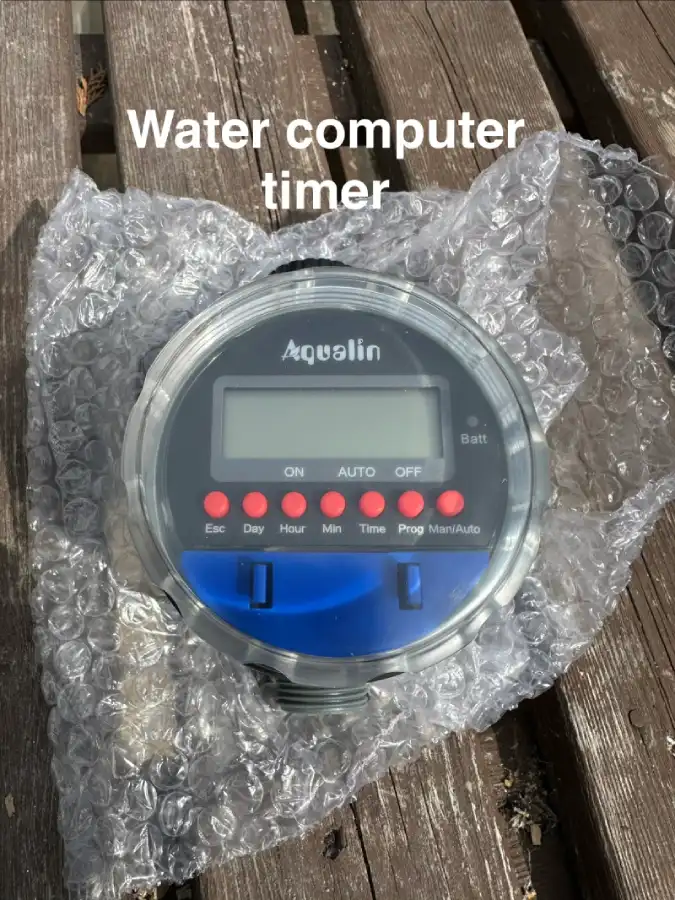
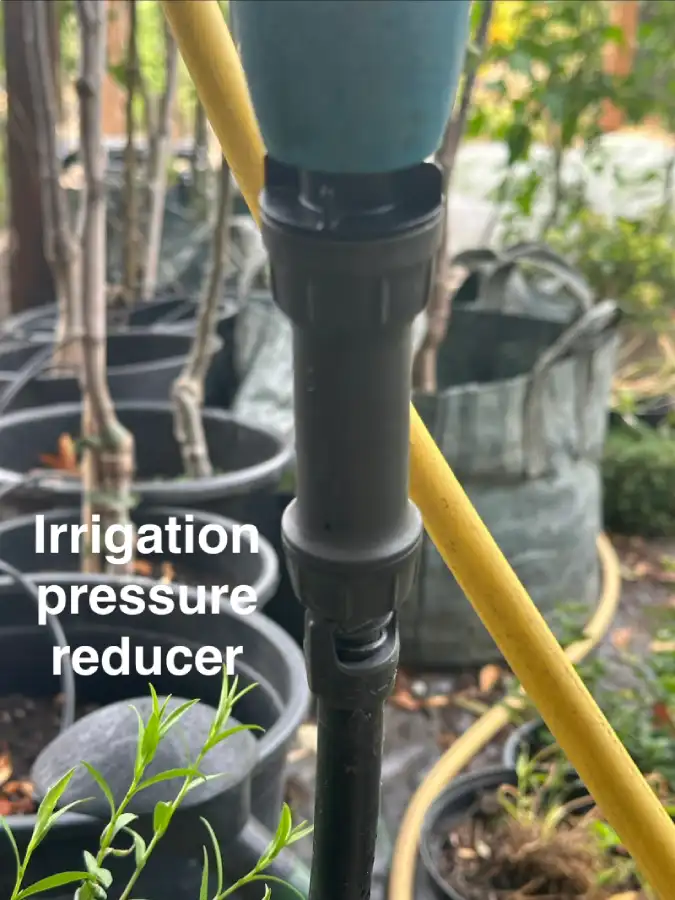
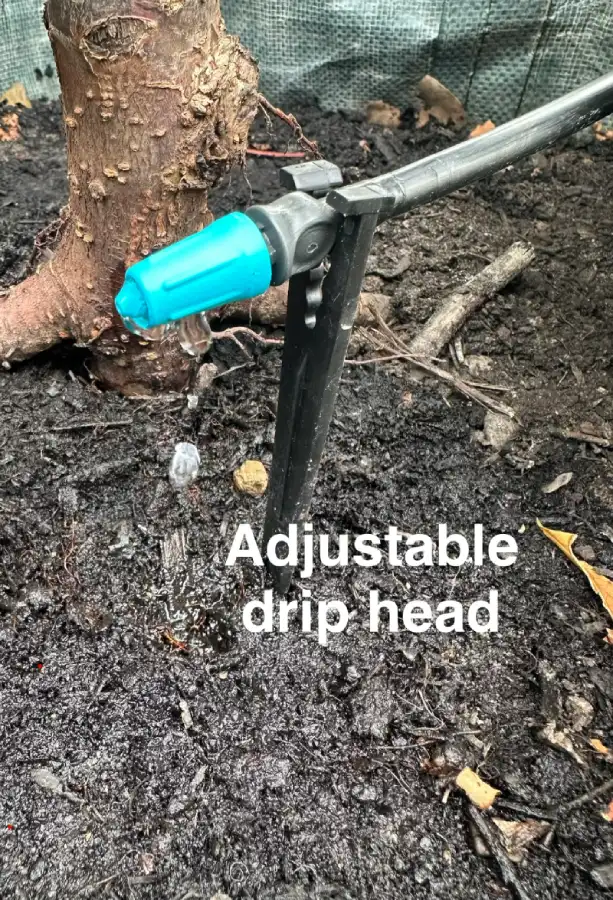
● Drip irrigation systems fitted with a timer and pressure reducer.
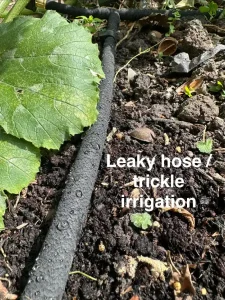
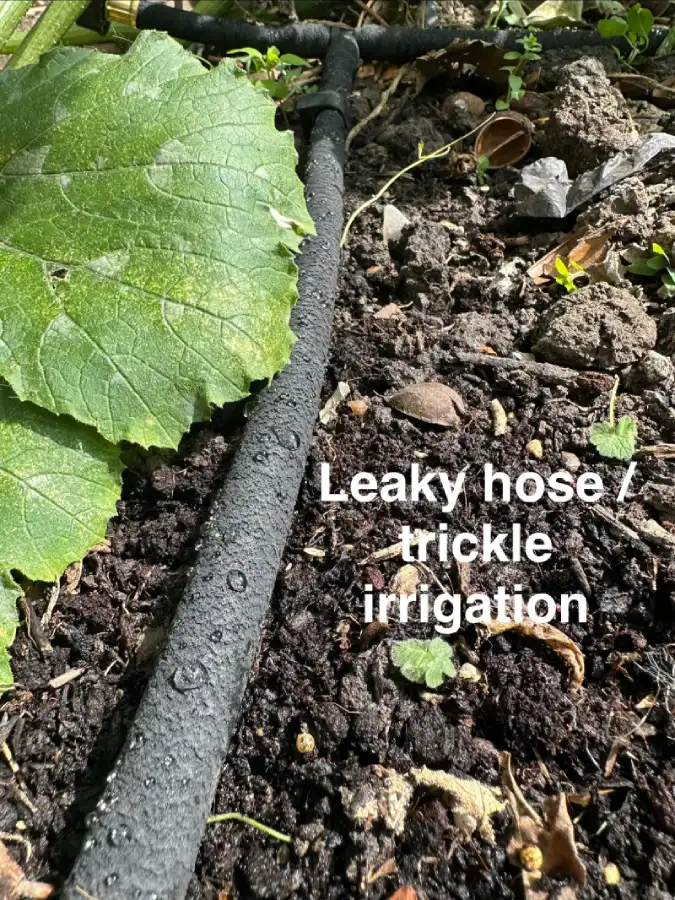
● Leaky hose or trickle irrigation systems
Regulations can vary between water companies, so always check the latest guidance issued by your local supplier before installing or using irrigation equipment.
Looking After Container Plants
Plants grown in pots dry out much faster than those growing in open soil, making them especially vulnerable during hot weather.
You can reduce watering by:
● Choosing non-porous containers such as plastic or glazed pots instead of terracotta.
● Using high-quality compost that includes water-retaining ingredients.
● Adding water-retaining granules where appropriate.
● Standing pots on saucers during dry periods to retain moisture.
● For nursery type areas, grouping containers together on a polythene sheet with raised edges to minimise water loss.
Take care not to overwater, however. Waterlogged compost excludes oxygen from the roots and can be just as damaging as drought.
Designing Gardens for a Changing Climate
As summers become warmer and drier, successful gardens will increasingly rely on thoughtful design rather than constant watering. Choosing appropriate plants, improving your soil, harvesting rainwater and maintaining healthy growth all help create gardens that are both beautiful and resilient.
A well-designed garden should work with nature rather than against it, conserving water while continuing to provide colour, structure and wildlife value throughout the seasons.
If you’re planning a new garden or looking to make your existing garden more drought resilient, thoughtful planting and good design can dramatically reduce maintenance while helping your garden thrive—even during a hosepipe ban.