A professional guide from PE4 Garden Design, Peterborough
Have you ever visited a garden centre intending to buy “a few plants” and come home with a trolley full of shrubs, perennials and grasses, only to discover they don’t quite work together? It’s one of the most common (and most expensive) mistakes homeowners make.
A professionally designed planting plan is one of the smartest investments you can make in your garden. It helps you buy the right plants, in the right quantities, for the right places. More importantly, it creates a garden that looks beautiful throughout the year instead of becoming an expensive collection of mismatched plants.
At PE4 Garden Design, we create bespoke planting plans for gardens across Peterborough, Stamford, Market Deeping, Bourne, Oundle and the surrounding villages, helping homeowners save money while creating gardens that thrive for years to come.
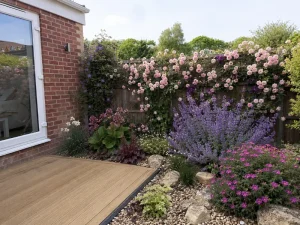
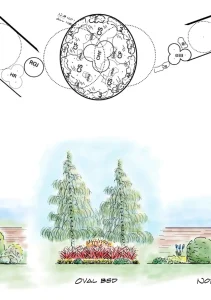
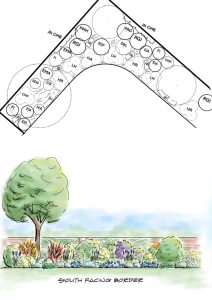
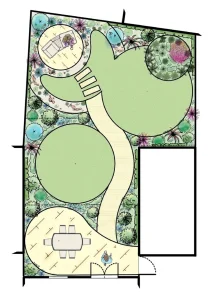
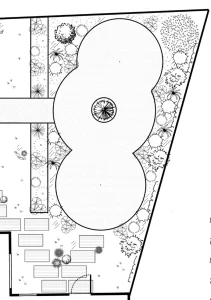
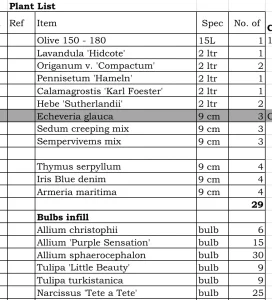
What Is a Planting Plan?
A planting plan is much more than a list of plants. It’s a detailed design showing exactly where every plant should go, how many are needed, and how they will grow together over time.
A professional planting plan typically includes:
- A scaled planting layout.
- The exact number of each plant required.
- Botanical and common plant names.
- Plant spacing and mature sizes.
- Flowering seasons.
- Evergreen structure.
- Maintenance notes and aftercare guidance.
Think of it as the planting equivalent of an architect’s drawing for a house. It removes guesswork and ensures everything has been carefully considered before a single plant is purchased.
Why Buying Plants Without a Plan Can Be Expensive
Many gardens become costly because plants are bought impulsively.
1. Buying Too Many Plants
Garden centres are designed to inspire. It’s easy to fall in love with beautiful plants in flower.
The problem?
- Buying five lavender plants when you actually need eleven.
- Purchasing shrubs that eventually grow two metres wide.
- Filling gaps with extra plants because the border still looks empty.
These purchases quickly add up.
A border that costs £250 in random purchases often needs another £150–£300 of additional plants to fill mistakes or replace plants that fail.
2. Buying Plants That Don’t Suit Your Garden
Peterborough and much of Cambridgeshire have distinctive growing conditions:
- Often alkaline soils.
- Heavy clay in many areas.
- Increasingly hot, dry summers.
- Frost pockets in some gardens.
- Sunny south-facing gardens with little shade.
Plants chosen simply because they look attractive may struggle.
Replacing failed plants year after year becomes surprisingly expensive.
3. Plants Compete for Space
Without understanding mature sizes, gardens become overcrowded.
Small shrubs become large shrubs.
Perennials disappear beneath vigorous neighbours.
Grasses overwhelm neighbouring plants.
Eventually plants need lifting, dividing or replacing.
How a Planting Plan Saves Money
You Buy Exactly the Right Number of Plants
Every plant has a purpose.
Instead of guessing, your shopping list is accurate.
For example:
| Without a plan | With a planting plan |
| 14 random plants | 22 carefully selected plants |
| Several duplicates bought later | Everything purchased once |
| Empty gaps remain | Border fills evenly over time |
This prevents multiple trips to the garden centre and unnecessary spending.
Plants Grow Into the Space Naturally
Professional designers don’t design for today.
We design for three to five years ahead.
Plants are spaced so that:
- borders fill naturally,
- weeds are suppressed,
- overcrowding is avoided,
- maintenance is reduced.
This means fewer replacement plants and less wasted money.
You Avoid Costly Mistakes
Some mistakes cost very little.
Others cost hundreds.
Examples include:
- planting thirsty plants in dry soil,
- choosing sun lovers for shade,
- planting vigorous shrubs too close together,
- creating flowering gaps through summer.
A planting plan prevents these problems before they happen.
A Good Planting Plan Creates Colour for 12 Months
One of the biggest differences between a professionally designed garden and an ordinary garden is succession planting.
Instead of one spectacular month followed by months of green leaves, different plants take turns throughout the seasons.
Spring
- Bulbs.
- Hellebores.
- Euphorbias.
- Early perennials.
Summer
- Salvias.
- Nepeta.
- Roses.
- Geraniums.
- Verbena.
- Echinacea.
Autumn
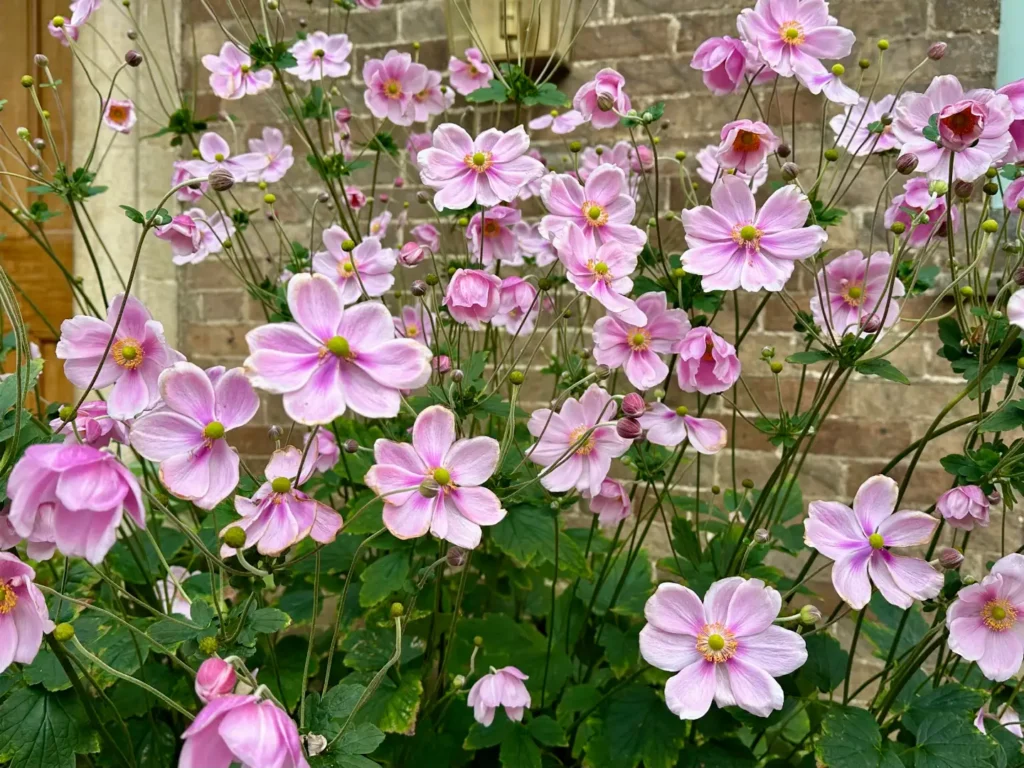
- Japanese anemones.
- Sedums.
- Asters.
- Ornamental grasses.
Winter
- Evergreen shrubs.
- Dogwoods.
- Structural grasses.
- Seed heads.
- Winter stems.
A planting plan ensures something beautiful is happening almost every month.
Less Maintenance Means More Savings
A well-designed planting scheme is usually lower maintenance, not higher.
How?
Ground Cover Reduces Weeding
Plants such as:
- Vinca minor.
- Bergenia.
- Pachysandra.
- Geranium macrorrhizum.
cover bare soil and suppress weeds naturally.
Right Plant, Right Place
Healthy plants require:
- less watering,
- fewer replacements,
- less feeding,
- fewer treatments.
Layered Planting Protects Soil
Trees, shrubs, perennials and ground cover work together.
The soil stays cooler during hot weather and retains moisture for longer.
Why Professional Planting Looks Better
The secret isn’t expensive plants.
It’s layers.
A professional border usually contains:
Structural Plants
Evergreen shrubs, clipped forms or architectural plants provide year-round shape.
Seasonal Shrubs
Hydrangeas, roses, viburnums and similar plants provide long-lasting interest.
Perennials
The changing colour through spring, summer and autumn.
Grasses
Movement, texture and winter beauty.
Ground Cover
A living mulch that ties everything together.
This layered approach creates depth, contrast and balance.
Planting for Peterborough Gardens
Gardens in Peterborough often experience warm summers and relatively low rainfall compared with many parts of the UK.
That means choosing plants adapted to local conditions is increasingly important.
Some excellent choices include:
- Lavender.
- Salvia.
- Nepeta.
- Echinacea.
- Verbena bonariensis.
- Stipa.
- Cistus.
- Rosemary.
- Ornamental grasses.
These create colourful borders while coping well with dry conditions once established.
Can a Planting Plan Work in a Small Garden?
Absolutely.
In fact, smaller gardens often benefit the most.
Every plant matters when space is limited.
A planting plan helps:
- make a small garden feel larger,
- soften patios and paving,
- create privacy,
- add year-round interest without clutter.
Can I Plant the Garden Myself?
Yes.
Many clients choose a planting plan because they enjoy planting themselves.
A bespoke planting plan gives them confidence to do it correctly.
Others prefer PE4 Garden Design’s planting service, where we source, position and plant everything exactly as designed.
Both options work.
What’s Included in PE4 Garden Design’s Planting Service?
Our planting service can include:
- Site visit and assessment.
- Soil and aspect evaluation.
- Bespoke planting design.
- Plant schedule.
- Plant sourcing.
- Plant positioning.
- Professional planting.
- Advice on watering and aftercare.
Everything is tailored to your garden and your budget.
A Planting Plan is an Investment, Not an Extra Cost
It’s easy to think a planting plan is an additional expense.
In reality, it often prevents:
- buying unsuitable plants,
- replacing failed plants,
- overcrowded borders,
- unnecessary garden centre purchases,
- expensive redesigns later.
A thoughtful planting plan helps every pound spent on plants work harder. We also buy plants at wholesale prices, meaning even better value for your money.
Why Choose PE4 Garden Design?
At PE4 Garden Design, planting is at the heart of what we do.
We design gardens that combine beautiful planting with practical layouts, creating gardens that are enjoyable in every season.
Whether you want a complete border redesign, a low-maintenance planting scheme, or a bespoke planting plan for an existing garden, we’ll help you choose plants that suit your garden, your style and Peterborough’s growing conditions.
Ready to Transform Your Borders?
If you’re in Peterborough, Stamford, Market Deeping, Bourne, Oundle or the surrounding villages, PE4 Garden Design offers bespoke planting plans and planting services for gardens of all sizes.
A carefully designed planting plan could save you hundreds of pounds, reduce maintenance, and create a garden that looks better every month of the year.
Contact PE4 Garden Design today to discuss a bespoke planting plan for your garden and discover how thoughtful planting design can completely transform your outdoor space.