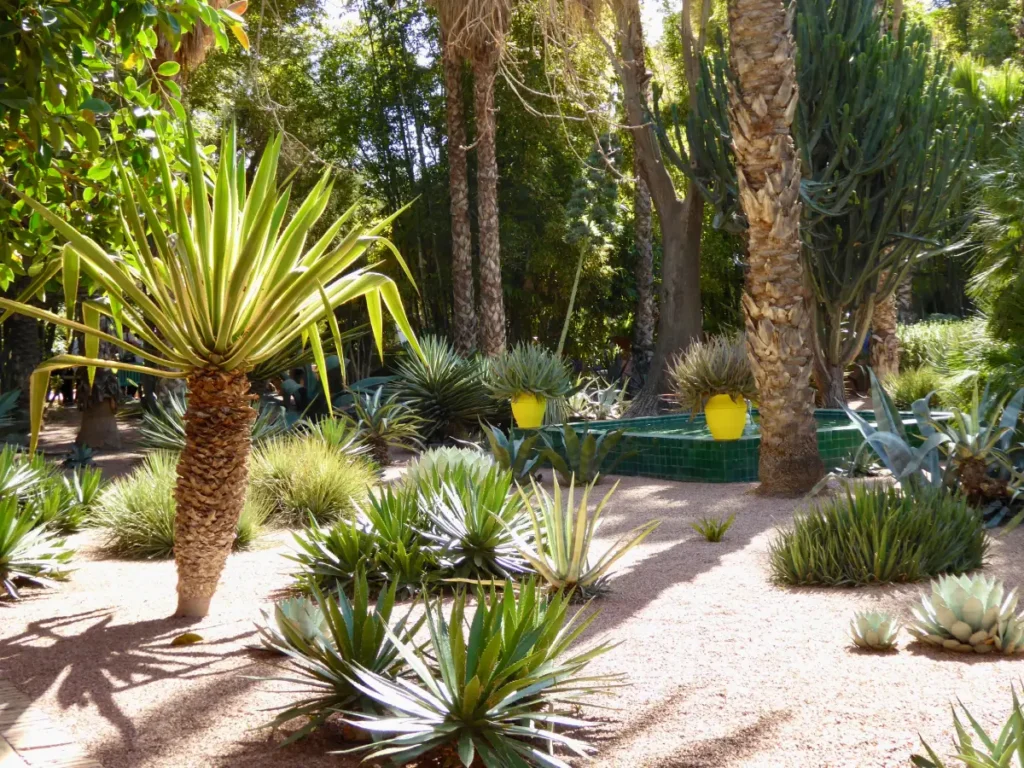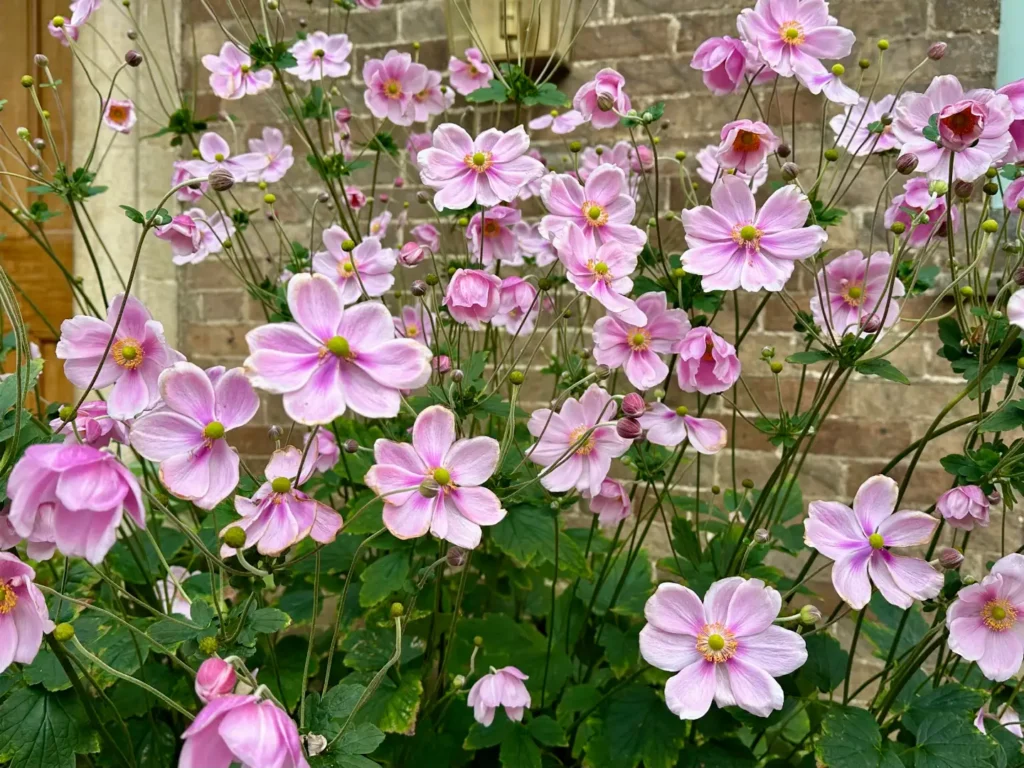
For centuries, the concept of a paradise garden has inspired poets, architects, and gardeners alike. Originating in ancient Persia, these gardens were designed as earthly representations of heaven—walled sanctuaries where water, greenery, and symmetry created a space for peace, reflection, and beauty. Today, the principles of paradise gardens continue to influence garden design around the world, offering a timeless blueprint for creating harmony and serenity at home.
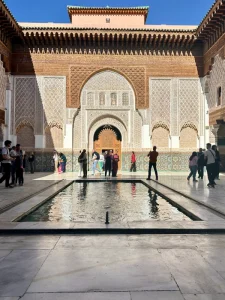
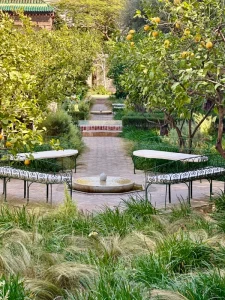

What Is a Paradise Garden?
A paradise garden—also known as a Persian garden—is a structured, enclosed garden that symbolizes a spiritual and physical retreat from the outside world. The original Persian term “pairidaeza” literally means “walled enclosure,” and is the root of our modern word “paradise.”
Classic elements include:
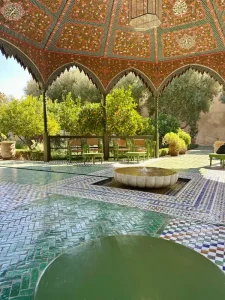
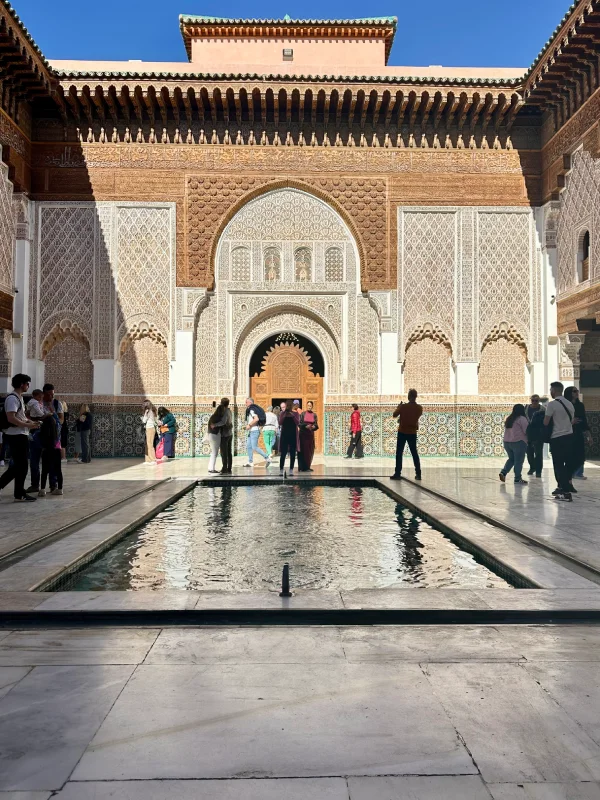
- Water channels or pools, often in a cross shape (known as chahar bagh) representing the four rivers of Eden.
- Symmetry and geometry, creating balance and order.
- Enclosing walls or hedges to separate the garden from the outside world.
- Shady trees and fragrant flowers, offering sensory pleasure and relief from the heat.
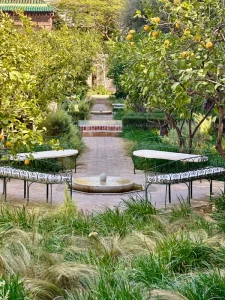
- Paths and seating areas designed for contemplation and conversation.
Historical and Cultural Influence
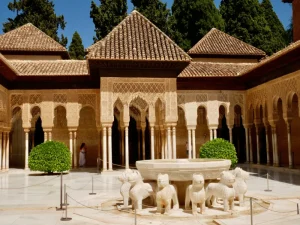
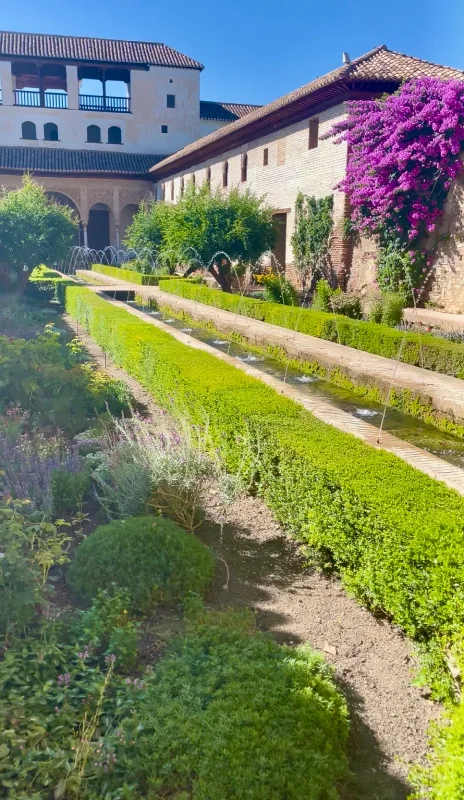
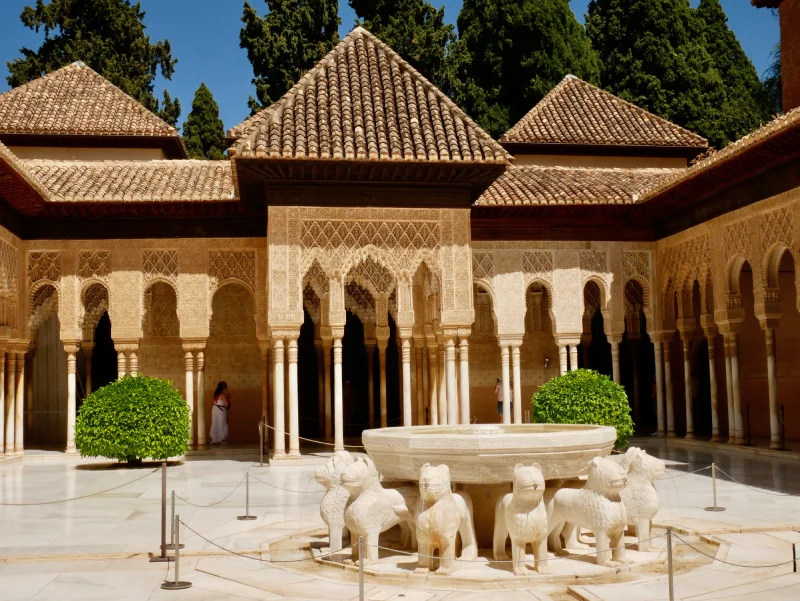
Paradise gardens originated in the arid climates of Persia over 2,500 years ago and were later adopted and adapted by Islamic, Mughal, Moorish, and Andalusian cultures. The famous gardens of the Alhambra in Spain and the Mughal gardens of India (like those at the Taj Mahal) all draw from this design philosophy.
These gardens were not just for beauty—they embodied spiritual ideals, reflected cultural values, and provided practical respite from harsh environments.
Creating Your Own Paradise Garden
You don’t need a palace or desert heat to bring a touch of paradise to your space. With a few thoughtful elements, even a small UK garden can evoke the tranquility of these timeless designs.
1. Structure and Symmetry
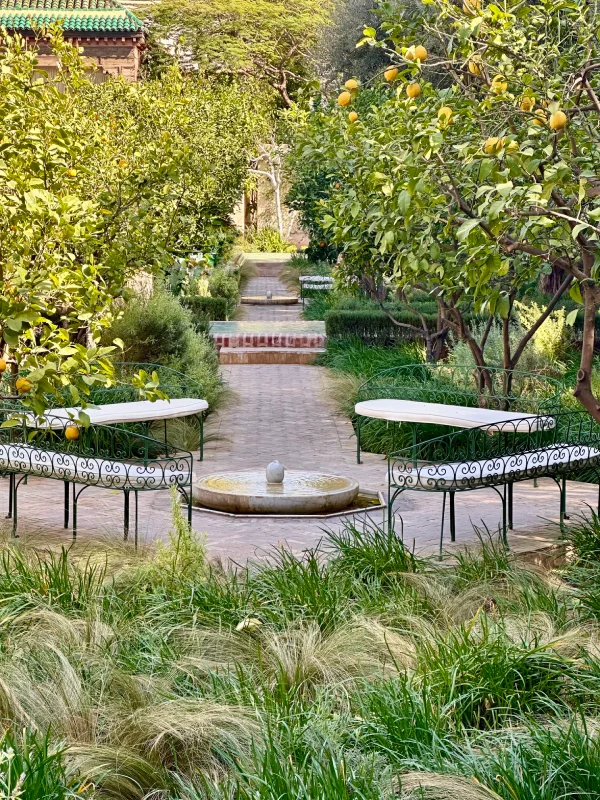
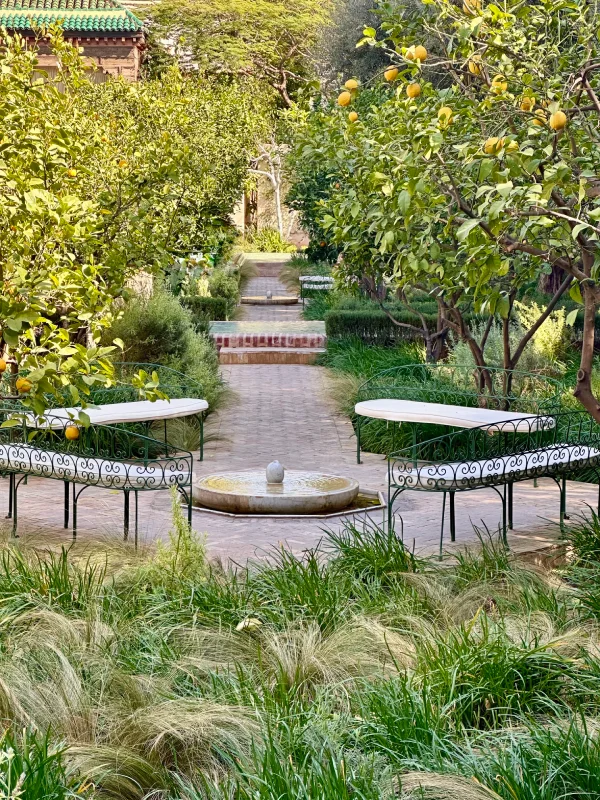
Design your space with a central feature—like a fountain, rill, or raised bed—and organize your planting around it. Use paths, pavers, or hedges to create a clear geometric layout.
2. Embrace Water
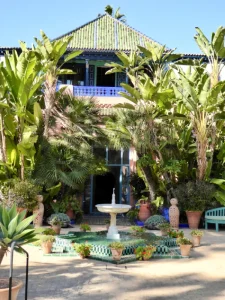
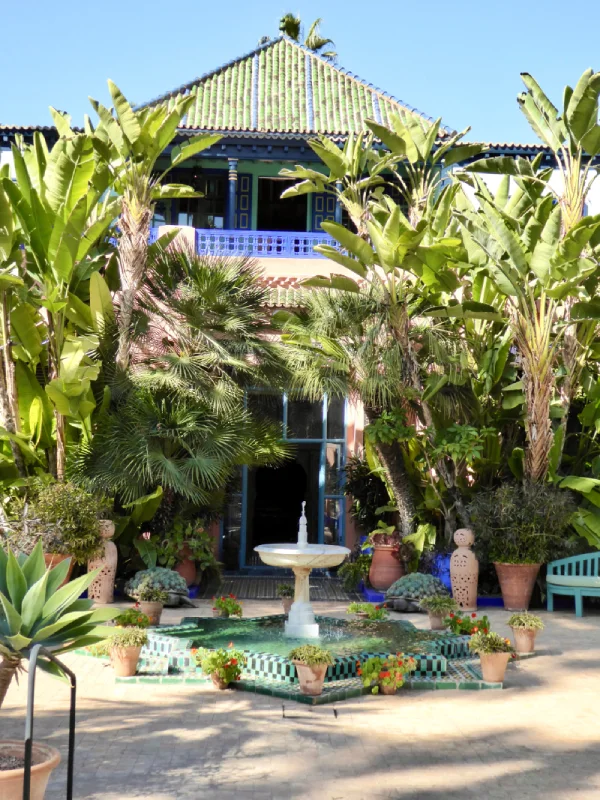
Water is essential in paradise gardens. If space allows, consider a reflecting pool, small fountain, or rill. The gentle sound of flowing water adds a soothing atmosphere.
3. Create Enclosure
Use hedges, trellises, or walls to define the garden and create a sense of privacy. Climbing plants like jasmine or roses can soften boundaries while adding scent and colour.
4. Plant with Purpose
Choose plants that offer more than just looks. Fragrant herbs (oregano, thyme, lavender), fruit trees (fig, peaches), and colourful blooms (roses, irises, tulips) create a multi-sensory experience.
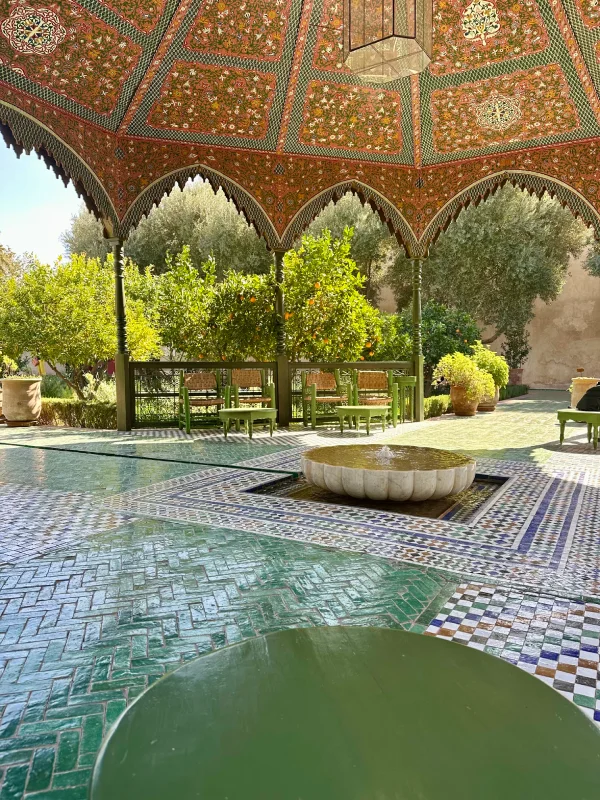
5. Provide Shade and Seating
A pergola or canopy with seating beneath encourages rest and reflection. Use cushions or low benches in natural materials to keep the look relaxed and timeless.
Modern Interpretations
Today’s paradise gardens blend ancient ideas with contemporary needs. Whether you’re designing a small courtyard or a larger plot, the key is to create a peaceful, purposeful space that invites stillness and escape. It’s about more than aesthetics—it’s a way to bring balance and beauty into daily life.
⸻
Final Thought
A paradise garden is not just a style—it’s a philosophy. Rooted in history and spirituality, it encourages us to slow down, appreciate the moment, and reconnect with nature. Whether you live in the city or countryside, carving out a slice of paradise can turn your garden into a sanctuary for the soul.